About the Team
Our Story & Mission
We are on a mission to preserve and share the remarkable legacy of the Douglas DC-3 while inspiring the next generation of aviators.
The DC-3 Mainliner is cared for by a dedicated team of aviation professionals, educators, mechanics, pilots, and volunteers who share a passion for preserving aviation history and inspiring future generations.
Led by owner Matt Johnston, President of California Aeronautical University, we work to ensure this historic aircraft remains an active part of the aviation community through airshows, educational outreach, community events, and special aviation experiences.
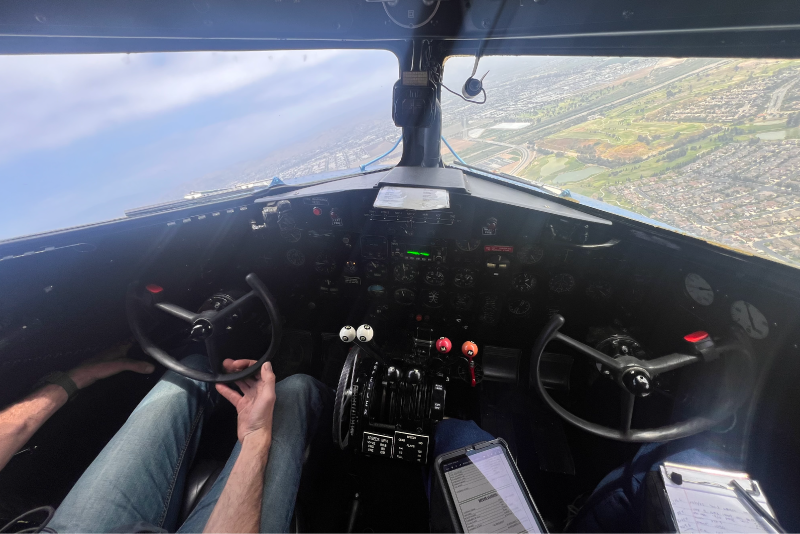
Through outreach, we’re using this iconic 1945 DC-3 as both a flying classroom and storytelling platform. Visitors experience the golden age of aviation up close while discovering modern pathways into flight training and aviation careers.
By bringing our DC-3 Mainliner to communities across the country, we aim to honor aviation’s past while helping build its future—one inspired student, enthusiast, or future pilot at a time.
CONNECTING AVIATION’S PAST TO ITS FUTURE
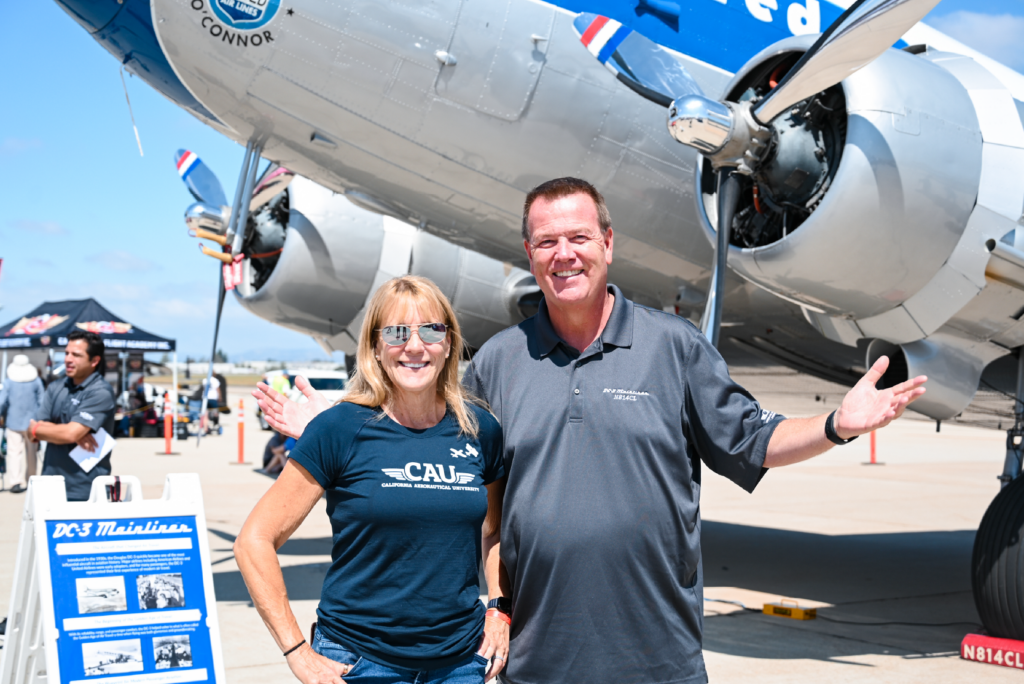
Operated by California Aeronautical University
The DC-3 Mainliner is proudly operated by California Aeronautical University (CAU), a nationally recognized aviation university dedicated to educating and inspiring the next generation of aviation professionals.
For CAU, the DC-3 Mainliner represents more than a historic aircraft. It is a powerful tool for aviation awareness, giving students, families, and community members a unique opportunity to experience aviation history firsthand while exploring modern pathways into aviation careers.
Through airshows, community events, and educational outreach, the Mainliner helps connect people with the excitement and opportunity of aviation. By preserving and sharing the story of the aircraft that helped transform commercial air travel, we are helping inspire future pilots, aviation maintenance technicians, air traffic controllers, and industry leaders.
The Mainliner serves as a bridge between aviation’s golden age and the innovators who will define its future.
TAKE THE MAINLINER HOME
DC3 Mainliner Store
Bring home a piece of the DC-3 Mainliner with official merchandise, including hats, shirts, challenge coins, wings, and stickers.
Every purchase helps support the preservation of this historic aircraft and its mission to inspire the next generation through aviation education and outreach.
About Our DC-3
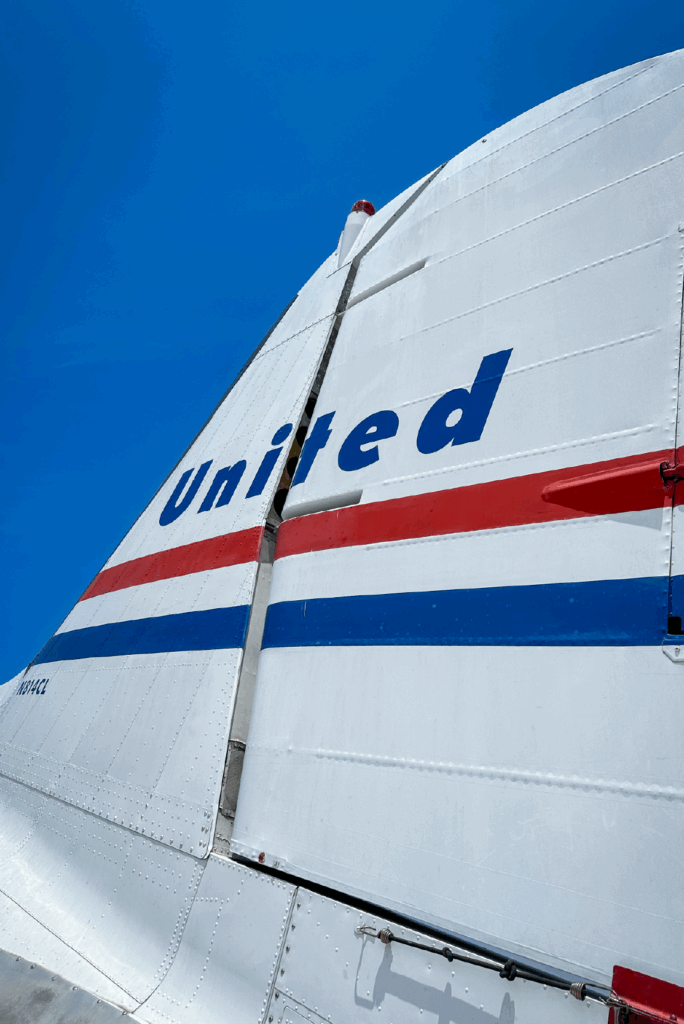
N814CL
Overview
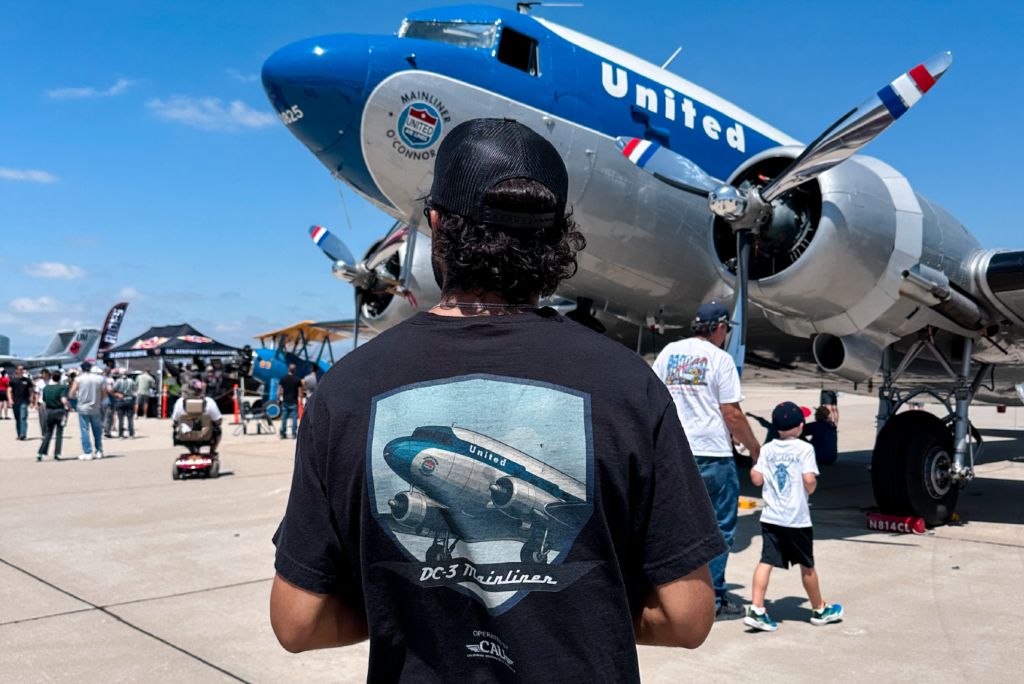
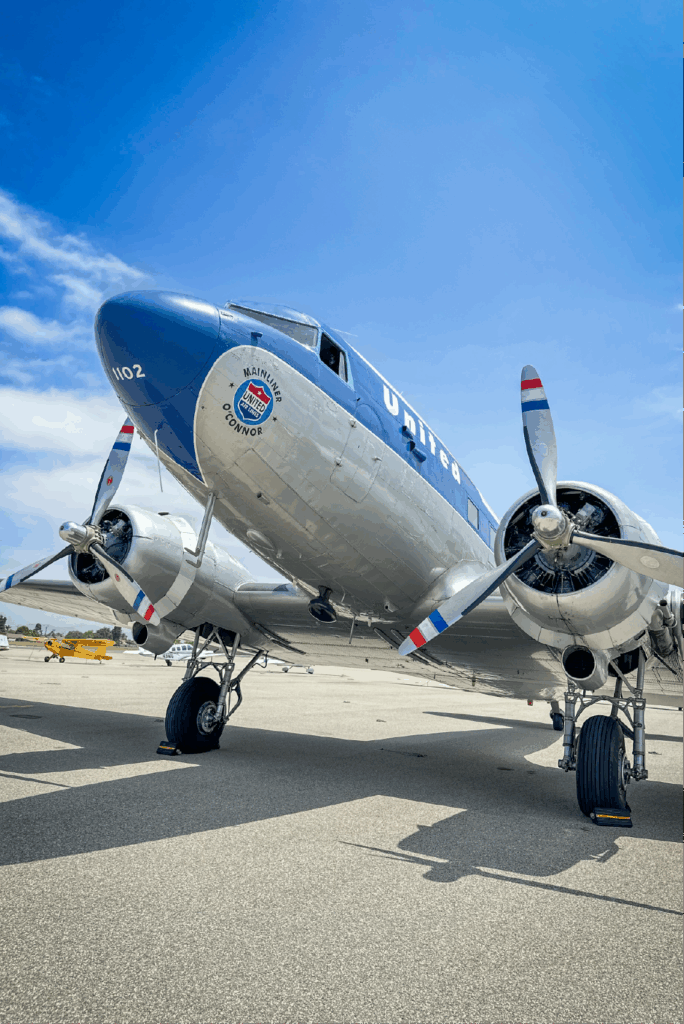
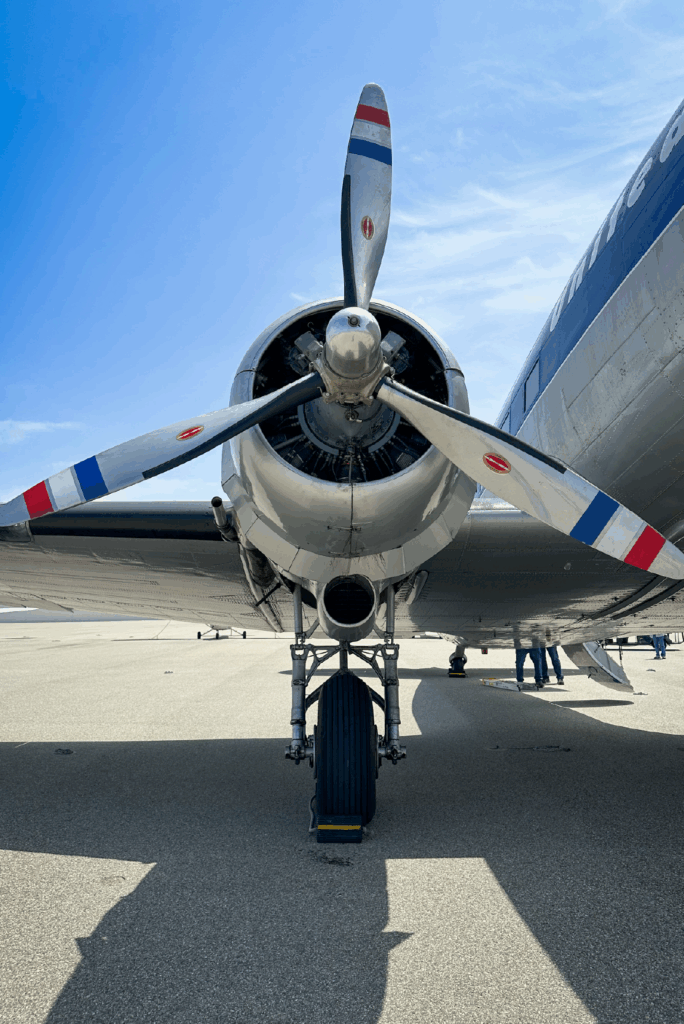
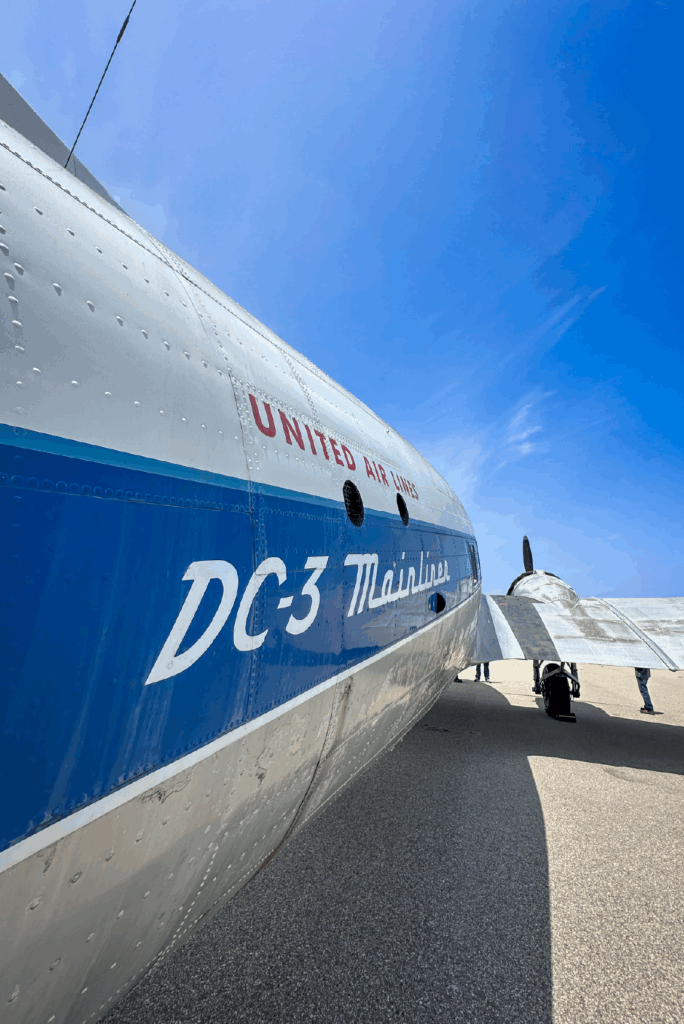
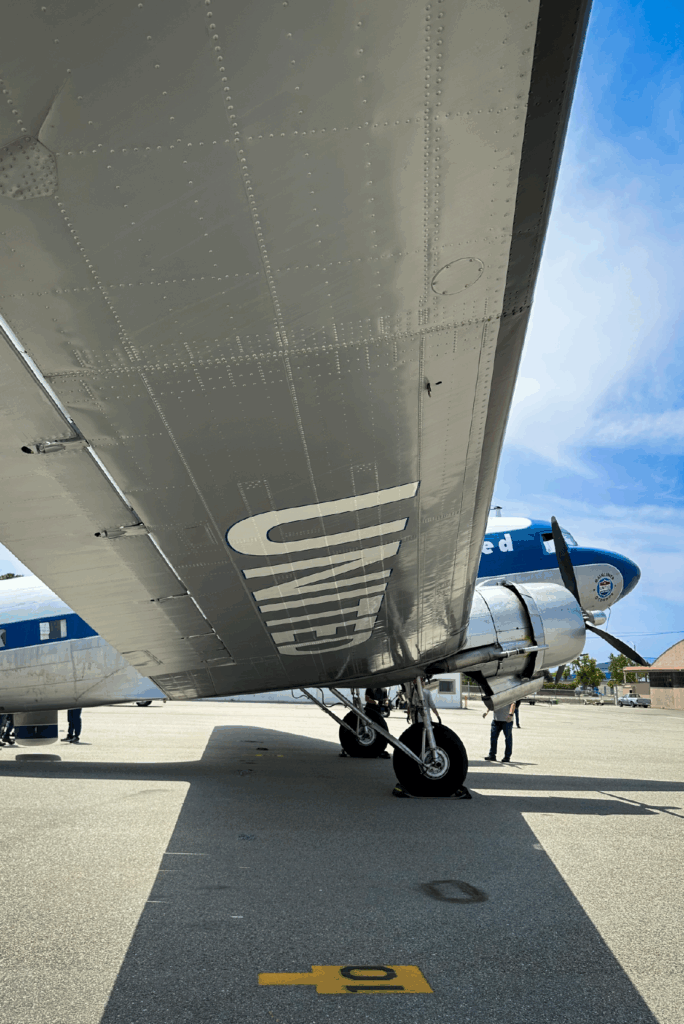
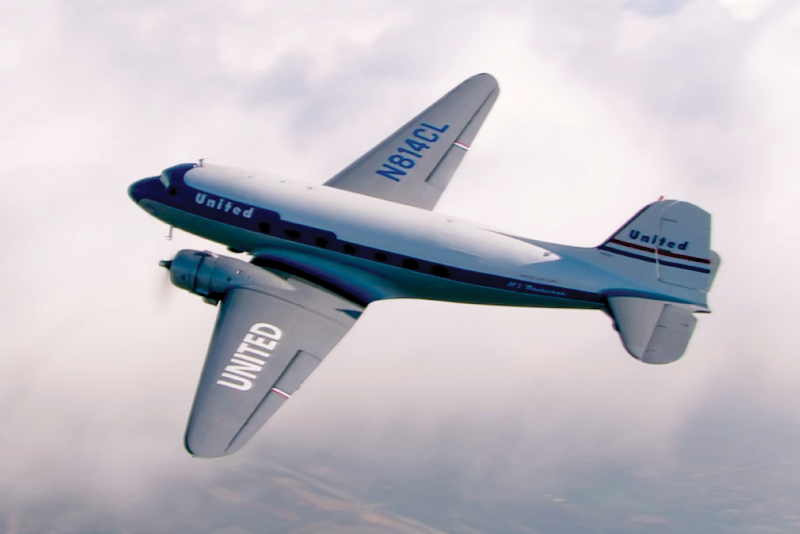
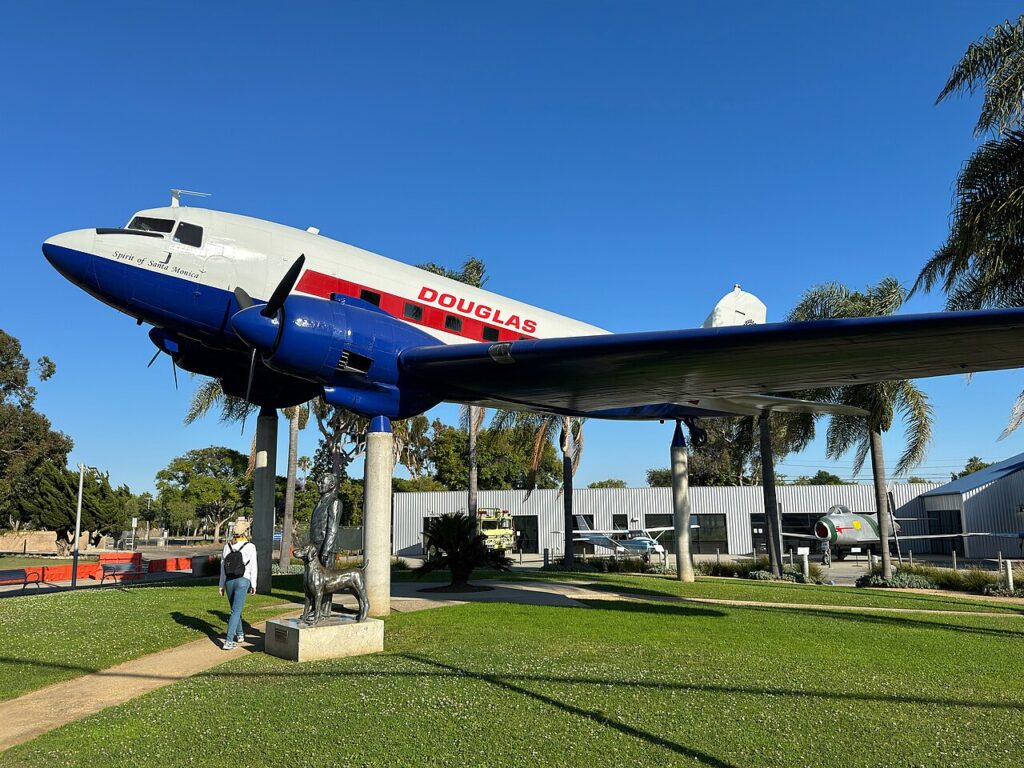
Built in 1945, our Douglas DC-3 began life during the golden age of commercial aviation. It served in the automotive industry and later with the State of Georgia during Jimmy Carter’s tenure as governor, and was fully restored by legendary aviator Clay Lacy in an authentic 1948 United Airlines paint scheme.
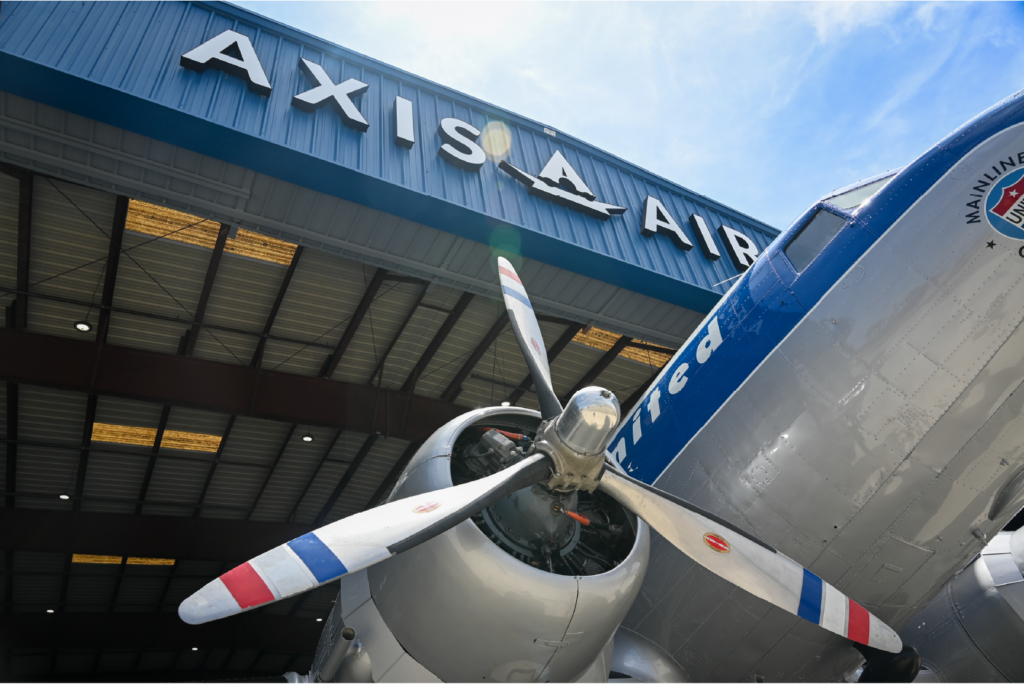
Now proudly owned by DC3 Mainliner, LLC, operated by California Aeronautical University, and based at Axis Air Aviation in Oxnard, California, our DC-3 Mainliner continues its mission of inspiring the next generation of aviators.
Design
While the aircraft’s earliest colors are unknown, it is documented that during its service with the State of Georgia it wore a white and peach–orange scheme reflecting the state’s identity.
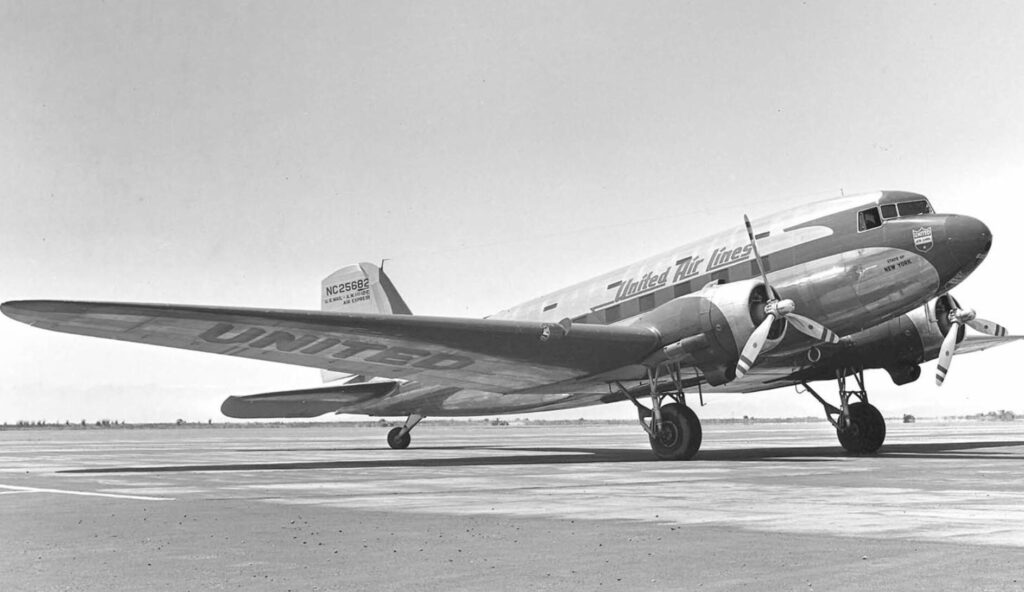
When Clay Lacy acquired the aircraft in 1996, he restored it in an authentic United Airlines livery—silver with blue, white, and red accents—paying homage to the airline that made the “Mainliner” name famous.
The DC-3 continues to fly in this United-inspired heritage livery today, refreshed in its most recent repaint.
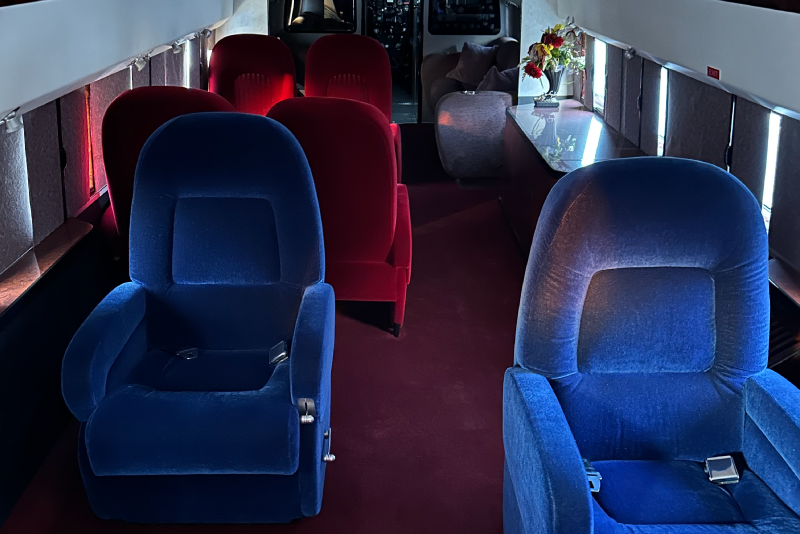
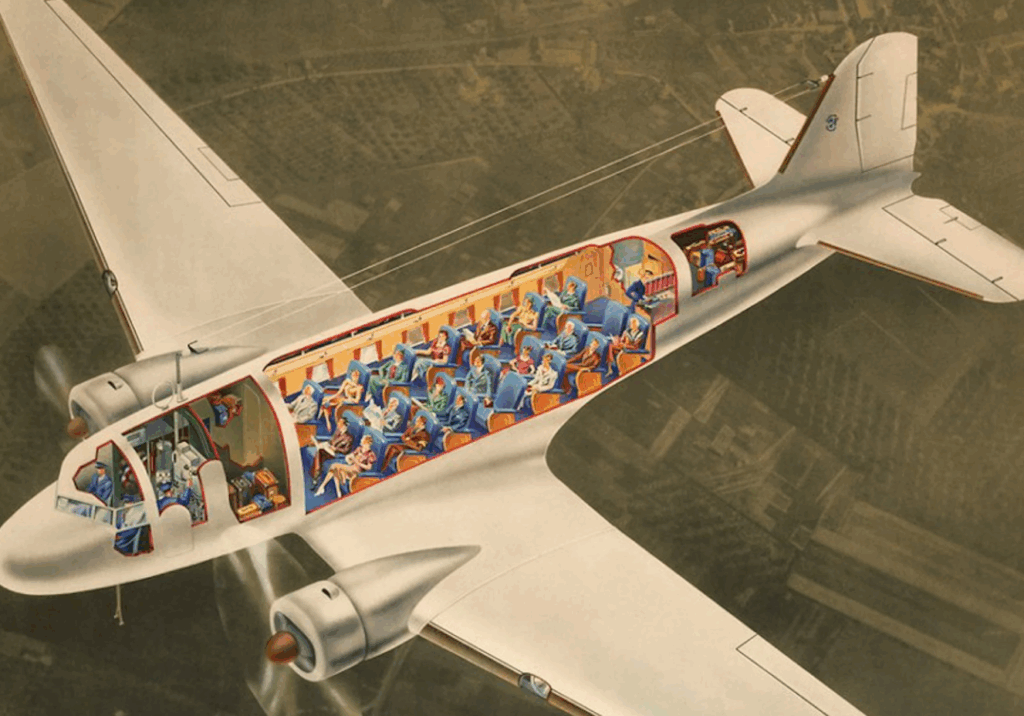
Inside, the aircraft is outfitted in classic executive style, featuring suede blue and red seats that highlight its corporate-aviation chapter and create an inviting, timeless cabin experience.
Technical Specs
- Aircraft: Douglas DC3C
- Year built: 1945
- Engines: Pratt & Whitney 1830-94 radial
- Horsepower: 1350
- Speed: 150 knots
- Weight: 26,900 lbs (max gross)
- Seats: 19
Home at Axis Air
Today, this historic DC-3 lives at AXIS AIR Aviation, where it’s cared for by a dedicated team of mechanics, pilots, and aviation enthusiasts. AXIS AIR serves as the aircraft’s operational home base—providing expert maintenance, hangar facilities, and a passionate community committed to preserving this flying piece of history.
Axis Air
Oxnard Aiport | KOXR
1601 West 5th Street, Oxnard, CA 93030
About the AIRCRAFT
Douglas DC-3
Overview
The Douglas DC-3, often known as the Douglas Sleeper Transport (DST) or DC-3 Mainliner, is one of the most iconic and influential aircraft in aviation history. Here’s a detailed overview:
- Manufacturer: Douglas Aircraft Company
- First flight: December 17, 1935
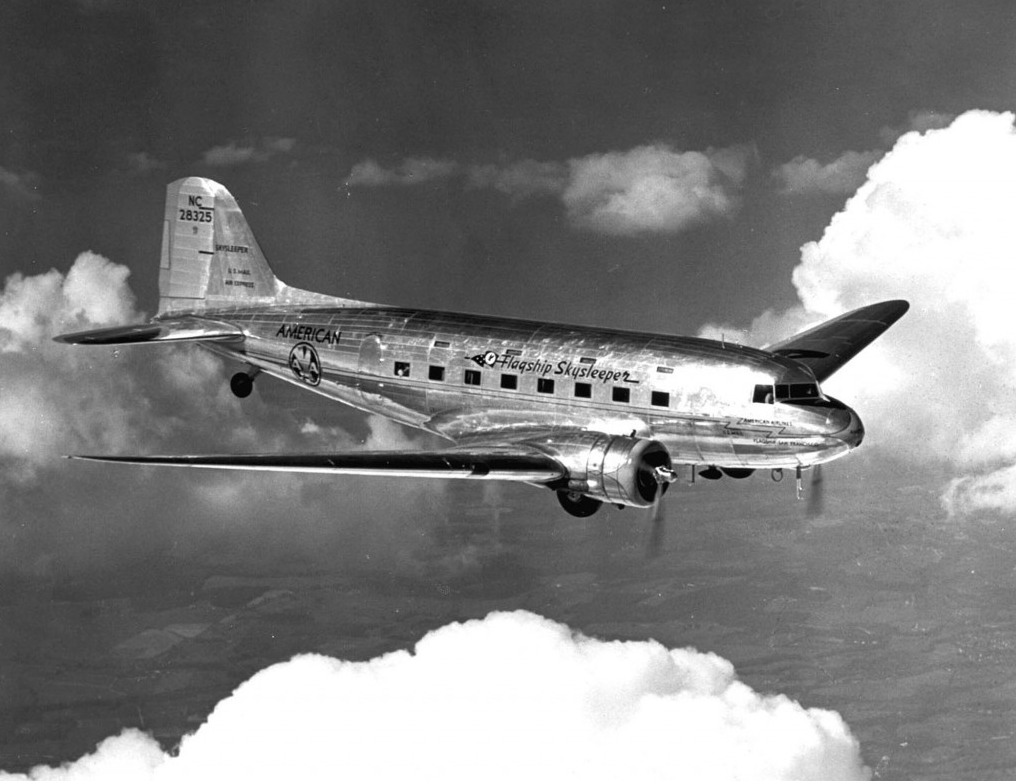
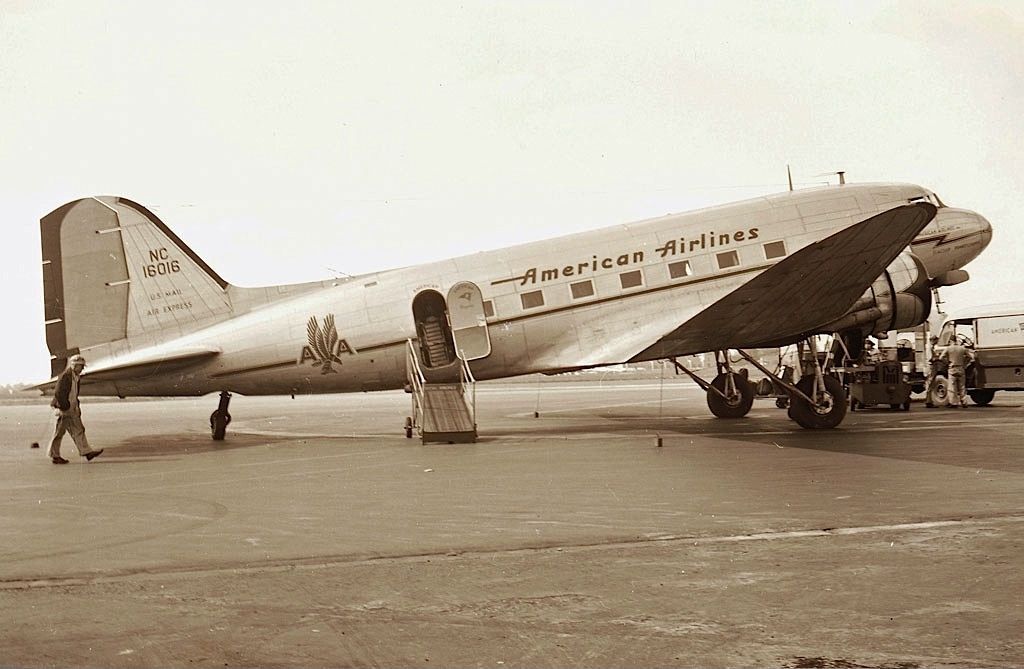
- Introduced: 1936 (with American Airlines as the “DC-3 Mainliner”)
- Type: Twin-engine, propeller-driven, fixed-wing airliner
- Crew: 2–3 (pilot, co-pilot, sometimes a flight attendant)
- Capacity: 21–32 passengers
Design & Development
The DC-3 was developed from the earlier DC-2, which had already proven itself as a capable airliner. American Airlines requested a version that could provide overnight sleeper service—hence the original name, Douglas Sleeper Transport (DST).
Douglas then created a more economical, non-sleeper version — the DC-3 — which quickly became the standard airliner for most major airlines in the late 1930s and 1940s.
Technical Specs
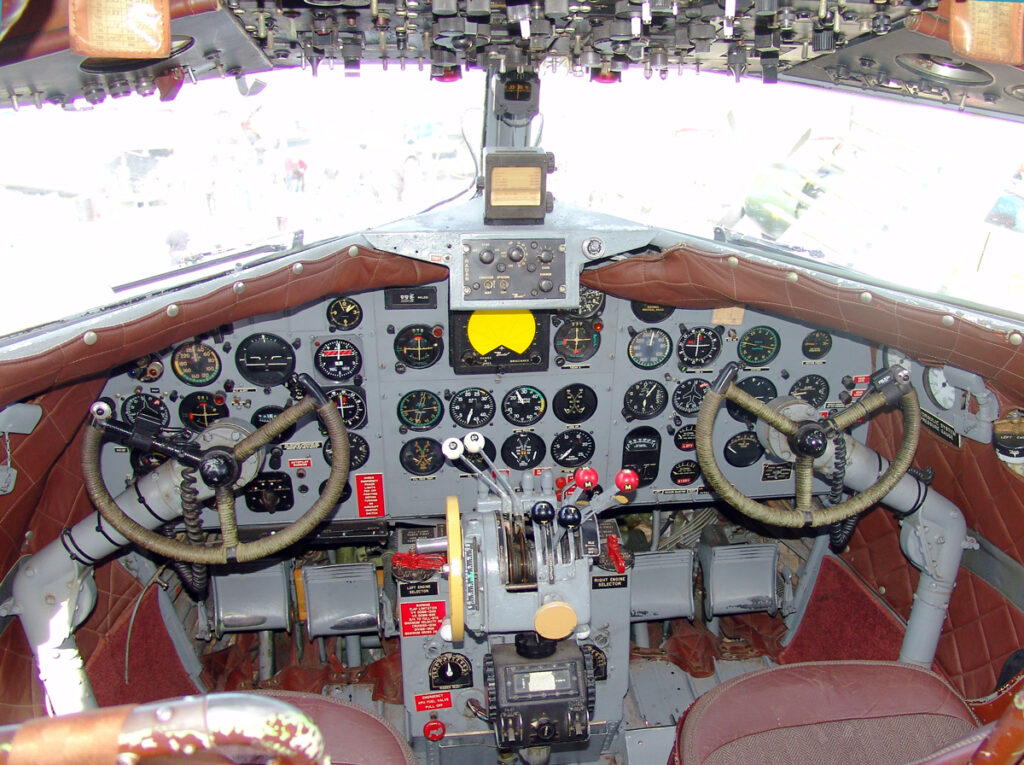
- Engines: 2 × Pratt & Whitney R-1830 Twin Wasp radial engines (1,200 hp each)
- Cruise speed: ~180 mph (290 km/h)
- Range: ~1,500–2,000 miles (2,400–3,200 km) depending on load
- Ceiling: 23,000 ft (7,000 m)
- Takeoff distance: ~3,000 ft (915 m)
- Construction: All-metal, low-wing monoplane with tailwheel landing gear
Civilian Service
The DC-3 revolutionized air travel:
- For the first time, airlines could profit solely from passenger service, without needing mail subsidies.
- It became the backbone of airline fleets worldwide through the 1940s.
- Airlines such as American, United, TWA, Eastern, and KLM all operated DC-3s.
The “Mainliner” name was actually part of American Airlines’ branding — for example:
- Mainliner New York
- Mainliner Chicago
- Mainliner Washington
Each aircraft was named after a major route or city, emphasizing AA’s national network.
Military Versions
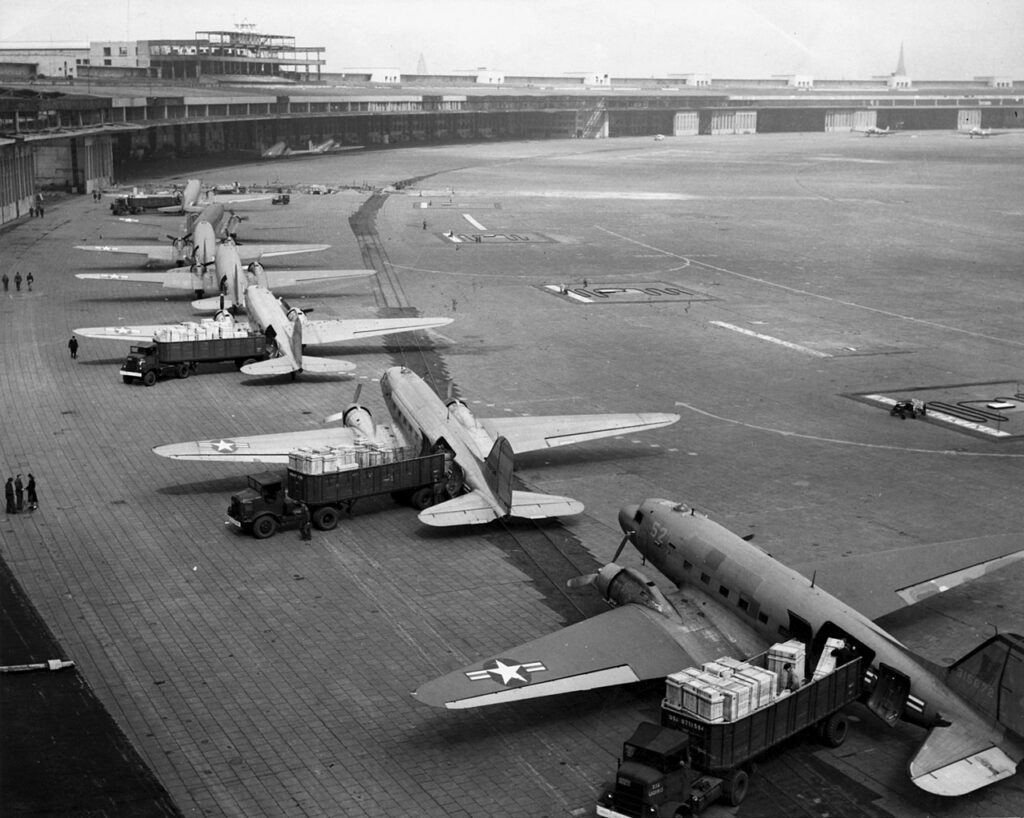
During World War II, the DC-3 was adapted for military use as:
- C-47 Skytrain (U.S. Army Air Forces)
- Dakota (Royal Air Force)
- R4D (U.S. Navy)
- L2D (Japanese-built version under license)
Over 10,000 military variants were built. They carried troops, cargo, and paratroopers and were critical in operations like D-Day (Normandy Invasion).
Legacy
- Many DC-3s are still flying today — over 80 years since their debut.
- They’re known for their ruggedness, simplicity, and ease of maintenance.
- The phrase “the only replacement for a DC-3 is another DC-3” became aviation folklore.
- It laid the foundation for modern commercial aviation.
Interesting Facts
- The DC-3 was one of the first aircraft to offer fully metal monocoque construction, increasing durability.
- A DC-3 consumes about 100 gallons of fuel per hour, modest by twin-prop standards.
- Some operators, especially in Alaska, Canada, and Africa, still use DC-3s for bush operations and cargo runs.
- Total produced (civil + military variants): over 16,000.